

The cost of long-term health insurance varies depending on various factors, such as age, health condition, coverage level, and insurance provider. Long-term health insurance is a highly sought-after product that provides financial protection for medical expenses in the future.
It gives individuals peace of mind knowing that they can afford necessary care without draining their savings or burdening their loved ones. However, it is essential to understand the cost implications before making a decision. We will explore the factors that influence the cost of long-term health insurance and provide insights into managing these expenses effectively.
We will also discuss the benefits of having long-term health insurance coverage and the potential risks of going without it. So, read on to discover how to plan for your future health needs without breaking the bank.
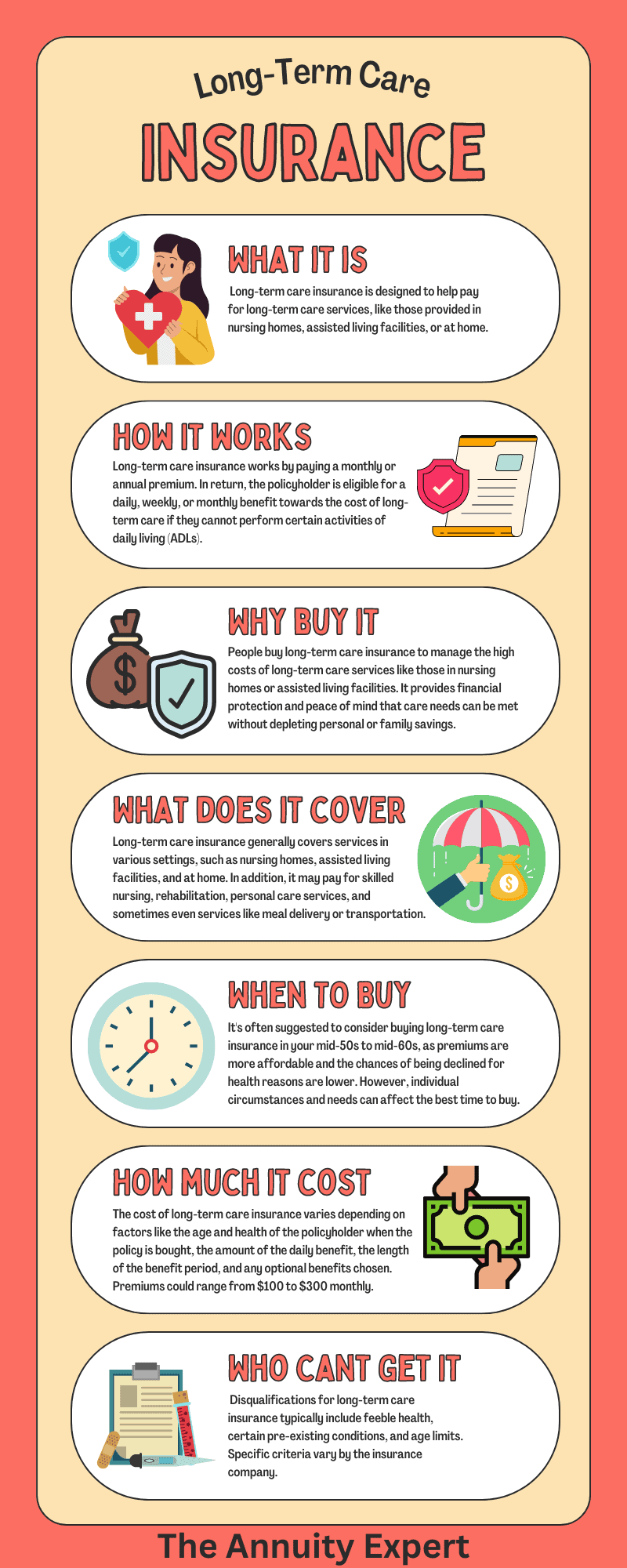
Credit: http://www.annuityexpertadvice.com
The Importance Of Long-term Health Insurance
Long-term health insurance is crucial to safeguard your well-being and financial stability in the face of unexpected medical expenses.
Rising Healthcare Costs
Healthcare costs are escalating, making it essential to plan for the future with long-term insurance coverage.
Financial Protection For The Future
Long-term health insurance provides peace of mind for you and your loved ones, ensuring financial security in times of need.
Through long-term health insurance, you can protect your savings and assets from being depleted by medical bills.
By investing in long-term health insurance now, you are preparing yourself for any health-related challenges that may arise in the future.
Factors Affecting Long-term Health Insurance Cost
Long-term health insurance cost is influenced by several factors that should be carefully considered when choosing a plan. Understanding these factors can help individuals and families make informed decisions about their long-term health insurance coverage. Below, we’ll explore the key factors that can affect the cost of long-term health insurance.
Age And Health Status
Age and health status play a significant role in determining the cost of long-term health insurance. As individuals get older, the risk of developing health conditions increases, which can lead to higher premiums. Similarly, those with existing health issues may face higher costs due to the potential need for more extensive medical care. Insurance providers take these factors into account when calculating premiums, making it essential for individuals to consider their current health status and age when evaluating potential long-term health insurance costs.
Coverage Options And Limits
When evaluating coverage options and limits, individuals should be mindful of the impact these choices have on long-term health insurance costs. Plans offering more extensive coverage and lower out-of-pocket expenses may come with higher premiums. Similarly, selecting lower coverage limits and higher deductibles can result in more affordable premiums. Understanding the specific coverage needs of the individual or family is crucial in selecting a plan that meets both financial and healthcare requirements.
Insurance Company And Location
The choice of insurance company and location can also affect long-term health insurance costs. Different insurance providers may offer varying rates based on their underwriting practices and market conditions. Additionally, the geographic location of the insured individual can influence premium costs, as certain areas may have higher healthcare expenses or different regulatory environments. Researching and comparing insurance companies and their offerings in specific locations is essential for securing the most cost-effective long-term health insurance.
Affordable Long-term Health Insurance Options
`Finding affordable long-term health insurance options can seem like a daunting task, but with the right knowledge, you can make informed decisions. `<\p>` “High Deductible Plans`<\h3>` `
`Many individuals and families find that high deductible plans offer a balance between cost and coverage. With lower monthly premiums, these plans can be a sensible choice for those who don’t anticipate frequent medical expenses. `<\p>` “Health Savings Accounts (HSAs)`<\h3>` `
`Health Savings Accounts provide a tax-advantaged way to save for medical expenses. By combining a high deductible health insurance plan with an HSA, individuals can save for future healthcare costs while enjoying tax benefits. `<\p>` “Government Subsidized Programs`<\h3>` `
`For those with lower incomes, government subsidized programs such as Medicaid can provide essential long-term health insurance coverage at reduced or no cost. These programs help ensure that individuals and families have access to necessary medical care, without the burden of high premiums. `<\p>`
Tips For Reducing Long-term Health Insurance Costs
Reduce long-term health insurance costs by taking these tips into consideration: compare plans, consider a higher deductible, maintain a healthy lifestyle, review your coverage regularly, utilize preventive care services, and explore cost-saving options like health savings accounts. Stay proactive in managing your insurance costs to ensure long-term affordability.
Long-term health insurance can provide you with financial protection in case of unexpected medical expenses. However, it can also be a significant expense. If you’re looking to reduce your long-term health insurance costs, here are some helpful tips to consider:
Comparing Quotes
One of the most effective ways to save on long-term health insurance is by comparing quotes from different insurance providers. By doing this, you can find the best coverage for the lowest price. It’s important to carefully review the details of each policy, comparing coverage benefits, deductibles, co-payments, and annual out-of-pocket limits. This will help you make an informed decision and potentially save a significant amount of money.
Maintaining Good Health
Maintaining good health is not only beneficial for your overall well-being but can also help lower your long-term health insurance costs. Insurance providers often take into account pre-existing conditions and your current health status when determining premiums. By prioritizing regular exercise, a balanced diet, and staying on top of preventive screenings, you can potentially reduce the risk of developing chronic illnesses, which in turn lowers your insurance costs.
Avoiding Over-insurance
When it comes to long-term health insurance, it’s essential to avoid over-insurance. Over-insuring yourself means paying for coverage that you don’t actually need, resulting in unnecessary expenses. Start by analyzing your medical history, lifestyle, and individual needs carefully. Consider opting for a policy that covers your specific healthcare needs instead of one with excessive coverage. By being mindful of what you truly require, you can significantly reduce your insurance costs without compromising on necessary coverage.
Understanding The Fine Print Of Long-term Health Insurance
Long-term health insurance offers security and peace of mind, but when it comes to making informed decisions, it’s crucial to understand the nuances hidden in the policy details.
Exclusions And Limitations
Insurance policies have exclusions and limitations, so be aware of what is not covered before you commit to a plan. Some policies may exclude certain pre-existing conditions.
Renewal Terms And Conditions
Renewal terms and conditions dictate how your policy can be renewed and any changes in coverage or premium costs. Make sure to review these carefully.
Understand your long-term health insurance thoroughly in order to avoid surprises and ensure you are fully protected in times of need.

Credit: http://www.aarp.org
Ensuring Adequate Coverage For Specific Health Needs
When considering long-term health insurance, it’s crucial to ensure adequate coverage for specific health needs. Such coverage should extend to chronic illnesses and long-term care for the elderly.
Chronic Illnesses
Chronic illnesses, such as diabetes, heart disease, and arthritis, require comprehensive coverage through long-term health insurance. These conditions necessitate ongoing medical attention, regular prescription medications, and potentially specialized care, all of which can significantly impact an individual’s financial well-being. It’s essential to select a policy that provides robust coverage for managing chronic illnesses, including preventive care, diagnostic services, and access to specialists when needed.
Long-term Care For Elderly
Long-term health insurance should also cater to the needs of elderly individuals who may require extended care as they age. From assistance with daily activities to nursing services and residential care, ensuring coverage for long-term care is vital. Policies that include options for in-home care as well as coverage for nursing home and assisted living facilities can alleviate the financial burden associated with long-term care needs.
Long-term Health Insurance For Self-employed Individuals
For self-employed individuals, obtaining long-term health insurance is crucial in securing their financial future and protecting against unforeseen medical expenses. Unlike traditional employees who often benefit from employer-sponsored health insurance, self-employed individuals have to navigate unique considerations when it comes to securing coverage.
Unique Considerations
Self-employed individuals face various unique considerations when it comes to their long-term health insurance:
- Flexibility in choosing coverage options tailored to individual needs
- Potential difficulty in proving steady income for insurance eligibility
- Availability of specific plans designed for self-employed individuals
With the flexibility to choose their coverage options, self-employed individuals can tailor their insurance plans to suit their specific needs. This freedom ensures they obtain the necessary coverage without paying for unnecessary benefits.
When it comes to long-term health insurance, self-employed individuals can take advantage of valuable tax benefits:
- Ability to deduct insurance premiums as a business expense
- Potential eligibility for a self-employed health insurance deduction
- Possibility of leveraging a health savings account (HSA) for tax-free savings
By deducting insurance premiums as a business expense, self-employed individuals can effectively reduce their overall tax burden. Additionally, they may be eligible for a self-employed health insurance deduction, allowing them to further lower their taxable income.
Furthermore, self-employed individuals can consider leveraging a health savings account (HSA). Contributions made to an HSA are tax-deductible and can be used to pay for qualified medical expenses tax-free. This provides an additional avenue for tax savings.
Comparing Long-term Health Insurance Policies
When evaluating long-term health insurance policies, it’s crucial to compare various aspects to make an informed decision. Understanding the policy features, customer reviews, and ratings are key factors in selecting the right insurance plan.
Policy Features To Look For
- Coverage Options: Ensure the policy covers a range of health services and treatments.
- Duration: Look for policies that offer coverage for an extended period.
- Financial Limits: Check the maximum benefits the policy provides for healthcare expenses.
Customer Reviews And Ratings
- Check For Feedback: Look for reviews from existing policyholders to gauge satisfaction levels.
- Ratings: Consider ratings provided by reputable sources to assess the policy’s credibility.
Credit: http://www.tdi.texas.gov
Frequently Asked Questions On Long Term Health Insurance Cost
What Factors Influence Long Term Health Insurance Cost?
Factors such as age, health history, coverage amount, and location play a significant role in determining long term health insurance costs. Insurance providers also consider pre-existing conditions and lifestyle choices when calculating premiums.
How Can I Lower My Long Term Health Insurance Cost?
To potentially lower your long term health insurance cost, consider increasing your deductible, comparing multiple quotes, maintaining a healthy lifestyle, and utilizing employer-sponsored or government-subsidized programs.
What Is The Average Long Term Health Insurance Cost?
The average long term health insurance cost varies based on individual circumstances, coverage needs, and location. On average, long term health insurance premiums can range from several hundred to over a thousand dollars per month. It’s essential to obtain personalized quotes to determine precise costs.
Conclusion
Considering the rising cost of healthcare, securing a long-term health insurance plan is a prudent decision for individuals and families alike. By protecting ourselves against unexpected medical expenses, we can safeguard our financial well-being and ensure access to quality healthcare.
While the cost of long-term health insurance may seem daunting, it is a small price to pay for long-term peace of mind. Take the time to carefully research and compare different insurance options to find the best fit for your needs and budget.
Remember, investing in your health today is an investment in a healthier future.


Leave a comment